Managing Tilt in Trading: How to Keep Your Emotions From Destroying Your Edge
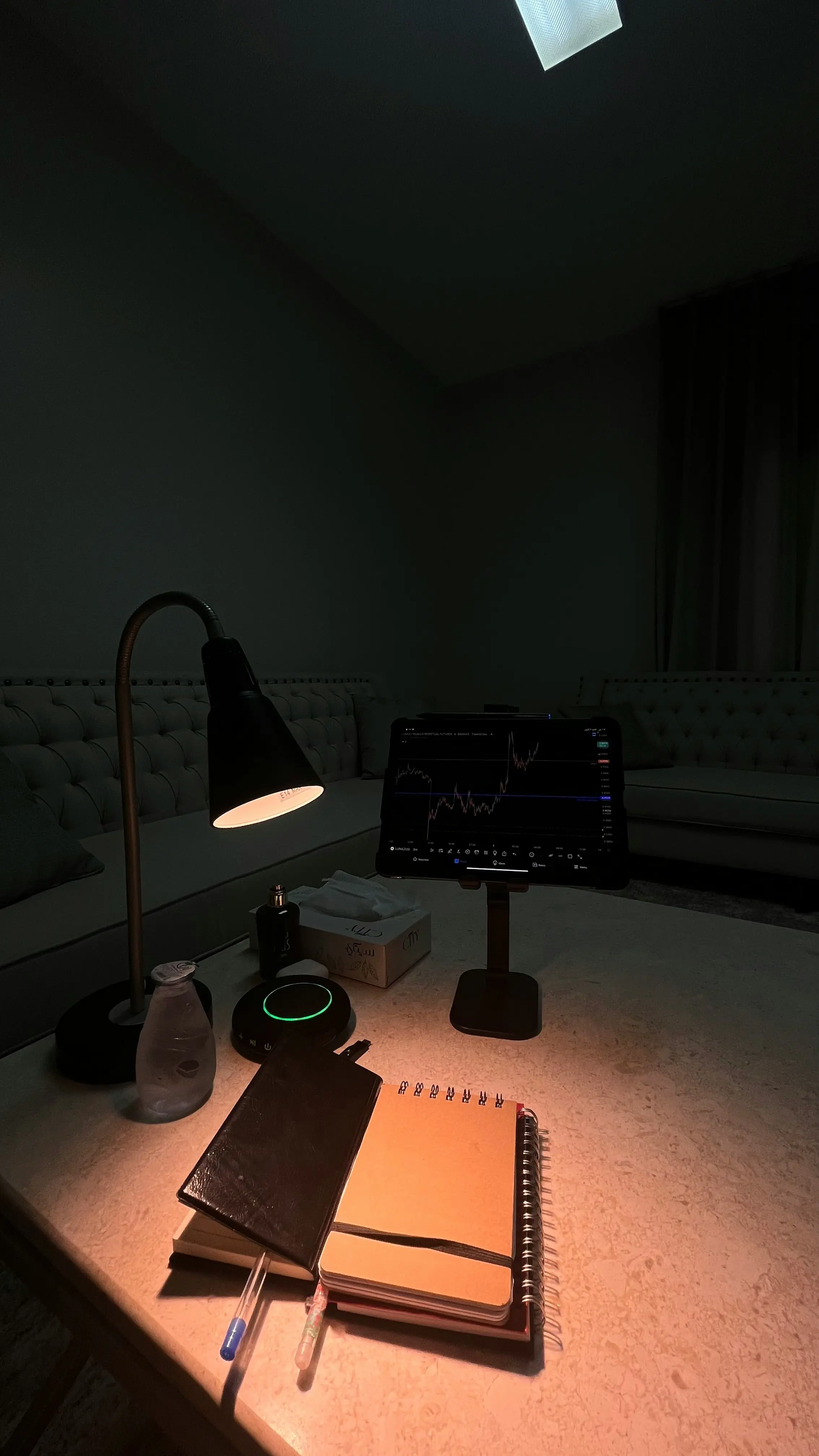
Every trader has been there. You take a loss — maybe a few in a row — and suddenly you're not trading your plan anymore. You're reacting. You're clicking entries you'd normally skip. You're widening stops, doubling down, or chasing breakouts that haven't confirmed.
That's tilt. And it doesn't just cost you money. It costs you your edge.
Tilt is the single biggest account killer for retail traders. Not bad strategies. Not market conditions. The inability to manage your emotional state when things go sideways.
Here's how to recognize tilt, interrupt it, and build systems that keep you trading your plan — even when the market is punishing you.
What Is Tilt, Exactly?
Tilt is a state of emotional dysregulation that causes you to deviate from your trading plan.
The term comes from poker, where players who get frustrated start making irrational bets. In trading, the mechanics are the same:
- Revenge tilt: You take a loss and immediately re-enter, trying to "get it back"
- Overconfidence tilt: After a winning streak, you start sizing up or loosening your criteria
- FOMO tilt: You see a move you missed and jump in late, chasing the tail end
- Fear tilt: You get stopped out a couple times and stop taking valid setups entirely
The common thread? You're no longer executing your strategy. You're trading your emotions.
The Warning Signs: How to Know You're Tilting
Most traders don't realize they're on tilt until the damage is done. That's why identifying the early warning signs is critical.
Physical signs:
- Elevated heart rate or shallow breathing
- Tension in your jaw, shoulders, or hands
- Clenching your fist after a loss
- Feeling flushed or hot
Behavioral signs:
- Moving your stop loss after entry
- Taking trades outside your plan "just this once"
- Increasing position size after losses
- Checking your P&L obsessively during a trade
- Staring at charts without actually pulling the trigger on valid setups
Cognitive signs:
- "I need to make this back today"
- "The market owes me"
- "This next trade will fix everything"
- "I can't afford another loss"
The moment you catch yourself thinking "this next trade" instead of "is this a valid setup," you're already on tilt.
How to Interrupt Tilt in Real Time
Recognition is step one. But what do you actually do when you feel tilt creeping in?
1. The Hard Stop Rule
The most effective tilt management tool is brutally simple: step away from your screens.
Set a rule — not a suggestion, a rule — that after X consecutive losses or Y% drawdown in a session, you close your platform. No exceptions.
Many professional traders use the "3-strike rule": three losing trades in a row, and you're done for the session. Some use a dollar threshold. The specific number doesn't matter as much as having a rule and following it.
2. The 5-Minute Reset
Before every trade — especially after a loss — force a five-minute pause. Step away from the desk. Walk around. Get water. Do breathing exercises.
This breaks the emotional momentum. Most tilt-driven trades happen within seconds of the previous loss. A five-minute buffer is often enough to let the rational brain come back online.
3. Box Breathing for Traders
The military uses box breathing to stay calm under pressure. Traders should too.
- Inhale for 4 seconds
- Hold for 4 seconds
- Exhale for 4 seconds
- Hold for 4 seconds
- Repeat 4–6 cycles
This activates your parasympathetic nervous system and physically reduces the stress response that drives impulsive decisions.
4. Talk It Through (Out Loud)
Say your trade plan out loud before entering. "I'm entering this setup because [reason]. My stop is at [level]. My target is at [level]. My risk is [X%]."
If you can't articulate a clear, plan-based reason — don't take the trade. This simple verbal checkpoint catches more tilt trades than any indicator.
Building Long-Term Tilt Resistance
Managing tilt isn't just about in-the-moment techniques. It's about building psychological resilience over time.
Track Your Emotional State in Your Journal
Most traders log entry, exit, and P&L. Few log how they felt.
This is a missed opportunity. By rating your emotional state before and after each trade (1–10 scale), you'll start seeing patterns:
- Do you always tilt after two consecutive losses?
- Are your mornings worse than your afternoons?
- Do you trade worse on days when you haven't slept?
This data is gold. It tells you exactly where your psychological vulnerabilities are.
LogYourTrade makes this easy with custom trade fields — you can add an emotional state rating to every trade and then filter your journal to find patterns in your worst-performing sessions.
Review Your Tilt Triggers Weekly
During your weekly trade review, don't just look at what went right or wrong technically. Look at when you deviated from your plan and why.
Ask yourself:
- Which trades were plan-based vs. emotional?
- What triggered the emotional trades?
- What could I have done differently in that moment?
- Did I follow my pre-session rules?
Write these answers down. This reflection is how you turn abstract discipline into concrete habits.
Set Pre-Session Rules (and Write Them Down)
Before every trading session, write down your rules for the day:
- Maximum number of trades
- Maximum daily loss limit
- Maximum drawdown before you stop
- Time of day you'll stop trading
Writing them down makes them real — not just vague intentions. Post them on a sticky note next to your monitor.
The Tilt-Proof Trading Framework
Here's a practical framework you can implement today:
-
Before the session: Write your daily rules. Check your emotional baseline. If you're already stressed, tired, or distracted, consider sitting out.
-
During setup identification: Verbalize your trade plan. Check every criterion. If it doesn't meet your rules, skip it — no matter how good it "feels."
-
After a loss: Rate your emotional state. If it's above a 5/10, take the 5-minute reset. If you've hit your loss limit, close the platform.
-
After the session: Log your emotional state in your journal. Note any deviations from your plan.
-
Weekly: Review your emotional patterns. Adjust your rules based on what the data shows.
The Bottom Line
Tilt isn't a character flaw. It's a neurological response — and it can be managed with the right systems.
The traders who survive and thrive aren't the ones who never feel tilt. They're the ones who recognize it early, interrupt it quickly, and build systems that make it harder to repeat.
Start by adding an emotional state field to your trading journal. Track it for 30 days. You'll be amazed at what you learn about your own patterns — and how much it improves your consistency.
Trade the plan. Not the emotion.
Ready to start journaling?
Track your trades, analyze performance, and build discipline with LogYourTrade.
Start Free