Overcoming FOMO in Trading: How to Stop Chasing and Start Winning
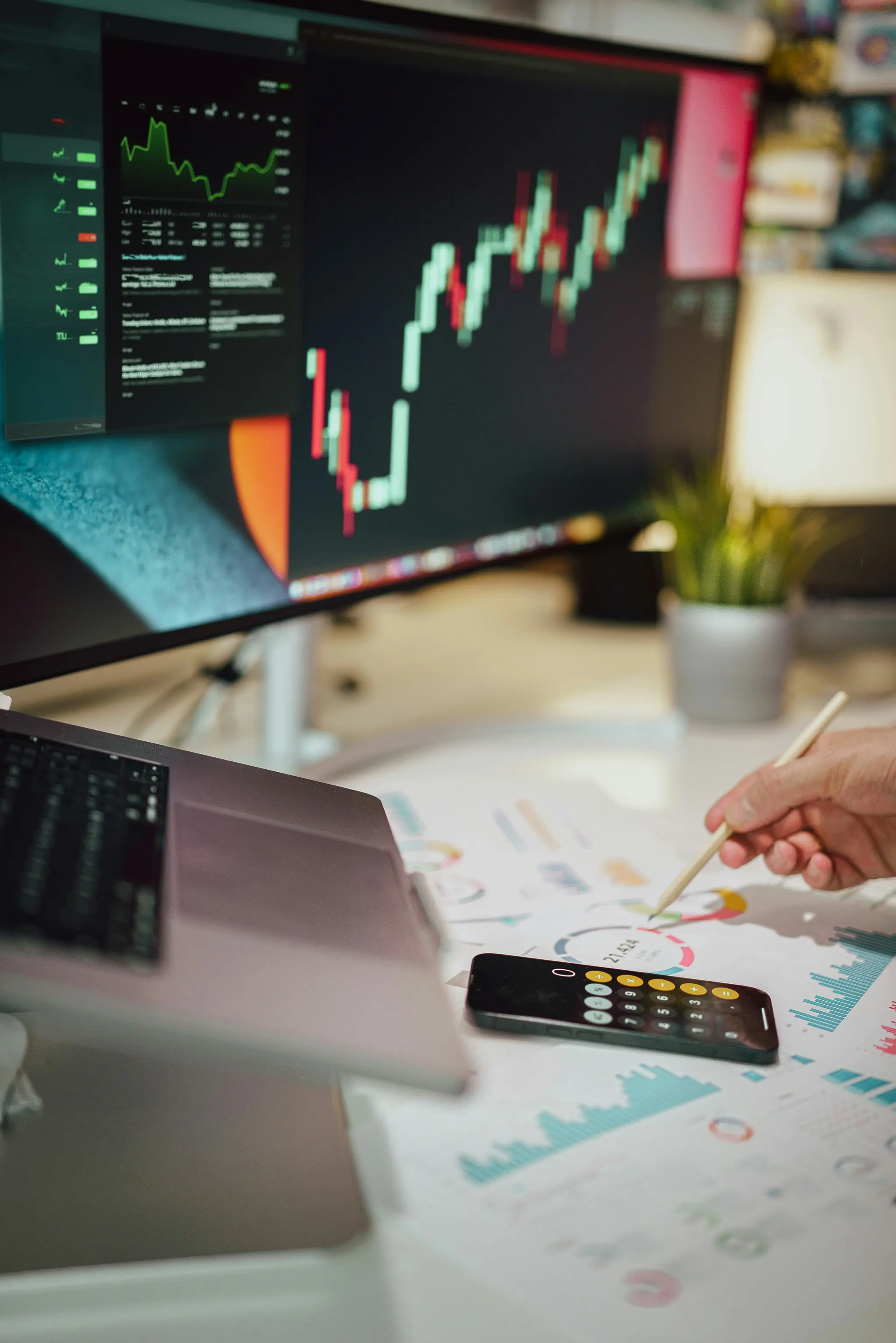
That feeling hits every trader. You see a stock ripping higher, a currency pair surging past resistance, and suddenly your finger is hovering over the buy button — even though it was never part of your plan. That is FOMO, and it is destroying more trading accounts than bad strategy ever will.
If you have ever jumped into a trade late, watched it reverse, and then kicked yourself for breaking your own rules — this guide is for you. Here is how to identify FOMO, understand why it happens, and build the habits to keep it in check for good.
What FOMO Actually Is (And Why It Feels So Powerful)
FOMO — Fear Of Missing Out — is not just a buzzword. It is a psychological trigger rooted in how our brains are wired. Back when humans lived in tribes, missing out on an opportunity meant survival risk. Your brain still processes a missed trade the same way it processes missing a meal.
But in trading, that instinct works against you. FOMO pushes you to:
- Enter trades without a plan
- Chase price after the move has already happened
- Widen your stop loss to "fit in" to the trade
- Increase position size beyond your risk rules
- Ignore your trading journal because reviewing it would mean facing the truth
Every single one of these actions shrinks your edge. And the worst part? FOMO trades almost always end badly because you are entering at the worst possible price — right as momentum fades.
The Hidden Cost of FOMO
FOMO does not just cost you money on individual trades. It creates a destructive loop:
- You chase a trade and lose
- You feel frustrated and want to "make it back"
- You chase another trade to recover
- Another loss — now you are in revenge trading territory
- Your account takes a hit you never planned for
The real damage from FOMO is not one bad trade. It is the cascade of emotional decisions that follow.
If you have been journaling your trades (and if you haven not, start now), go back and highlight every trade where you felt rushed or anxious before entry. Look at the results. The data does not lie — FOMO entries consistently underperform planned entries.
How to Identify FOMO Before It Controls You
You cannot fix what you do not recognize. Here are the telltale signs that FOMO is driving your decisions:
- You see a big move and immediately think "I need to get in"
- You check Twitter, Discord, or forums and feel urgency after reading others" posts
- You skip your pre-trade checklist because you feel time pressure
- Your heart rate is elevated before clicking buy or sell
- You justify the trade afterward instead of planning it beforehand
If any of these sound familiar, you are not alone. The first step is awareness — and that is where a solid trade journal becomes your best weapon.
7 Practical Strategies to Overcome FOMO
1. Write Your Trading Plan Before the Market Opens
Not during. Not after you see a move. Before.
Every morning, before your session starts, outline:
- Which setups you are looking for
- Which pairs or stocks are on your watchlist
- What your entry, stop loss, and target levels are
- Maximum number of trades you will take that day
When the plan is already written, the decision to enter or pass becomes a matter of following instructions — not emotion.
2. Set a "No Trade" Rule After Missed Setups
If you miss a planned entry, that is it. The trade is gone. Move on.
This is brutally hard to accept, but it is essential. Tell yourself: "If I miss the entry, I miss the trade. There will be another one tomorrow."
Put this rule in your trading playbook and review it weekly. Treat it with the same weight as your stop loss rule.
3. Track FOMO Trades in Your Journal
Add a field to your trade journal specifically for emotional state. Rate your FOMO level from 1–10 before every entry.
After a month of data, compare the results of low-FOMO trades versus high-FOMO trades. The difference will shock you — and that data becomes your motivation to stay disciplined.
4. Limit Your Screen Time During Trading
The more you stare at charts, the more likely you are to see "opportunities" that are not really there.
Set specific trading windows. When the session is over, close your charts. During your session, step away from the screen for 5–10 minutes every hour. Break the hypnotic hold that live price action has on your decision-making.
5. Mute the Noise
Social media, trading groups, and news alerts are FOMO fuel. Most of the time, the people posting their massive wins are not showing their losses.
- Turn off notifications during trading hours
- Avoid checking what "everyone else is trading"
- Trust your own analysis over someone else"s hype
6. Use the "10-Minute Rule"
When you feel the urge to jump into a trade that was not planned, force yourself to wait 10 minutes.
Set a timer. During those 10 minutes:
- Review your trading plan
- Check if the trade meets your criteria
- Ask: "Would I take this trade if I had not just seen it move?"
Most of the time, the urge passes. The trade was not that good — it just looked exciting in the moment.
7. Reframe "Missing Out" as "Protecting Your Capital"
Every trade you do not take preserves your capital for the setups that actually fit your strategy. A missed trade is not a loss — it is risk management.
The best traders in the world take far fewer trades than you think. They are selective, patient, and disciplined. Their edge comes from saying "no" far more often than they say "yes."
The Role of Your Trading Journal in Beating FOMO
A trading journal is the single most effective tool for overcoming FOMO because it creates accountability. When you have to log every trade — including why you took it and how you felt — you are far less likely to enter on impulse.
Reviewing your journal weekly reveals patterns:
- Which times of day do FOMO trades happen most?
- Which markets trigger the strongest urge to chase?
- What is your win rate on planned trades vs. impulsive trades?
That data changes everything. It turns "I should stop chasing" into "My journal shows I lose 73% of FOMO trades." Facts beat feelings every time.
A Quick Checklist to Keep FOMO in Check
Before every trade, run through this:
- [ ] Is this trade in my pre-session plan?
- [ ] Does it meet my entry criteria?
- [ ] Have I set my stop loss and target?
- [ ] Is my position size within my risk rules?
- [ ] Am I calm, or am I feeling rushed?
- [ ] Have I waited at least a few minutes to confirm the setup?
If you answer "no" to any of these, walk away. The market will still be there tomorrow.
Final Thoughts
FOMO is not a sign of weakness — it is a natural human response. But in trading, giving in to it is a choice. And that choice has direct, measurable consequences on your P&L.
The traders who consistently make money are not the ones who catch every move. They are the ones who stick to their plan, manage their emotions, and learn from their mistakes.
Start by journaling every trade. Track your emotional state. Review the data. Build the discipline that separates profitable traders from gamblers.
Ready to take control of your trading? Start logging every trade — planned or impulsive — with LogYourTrade. The data you collect today is the edge you build tomorrow.
Ready to start journaling?
Track your trades, analyze performance, and build discipline with LogYourTrade.
Start Free